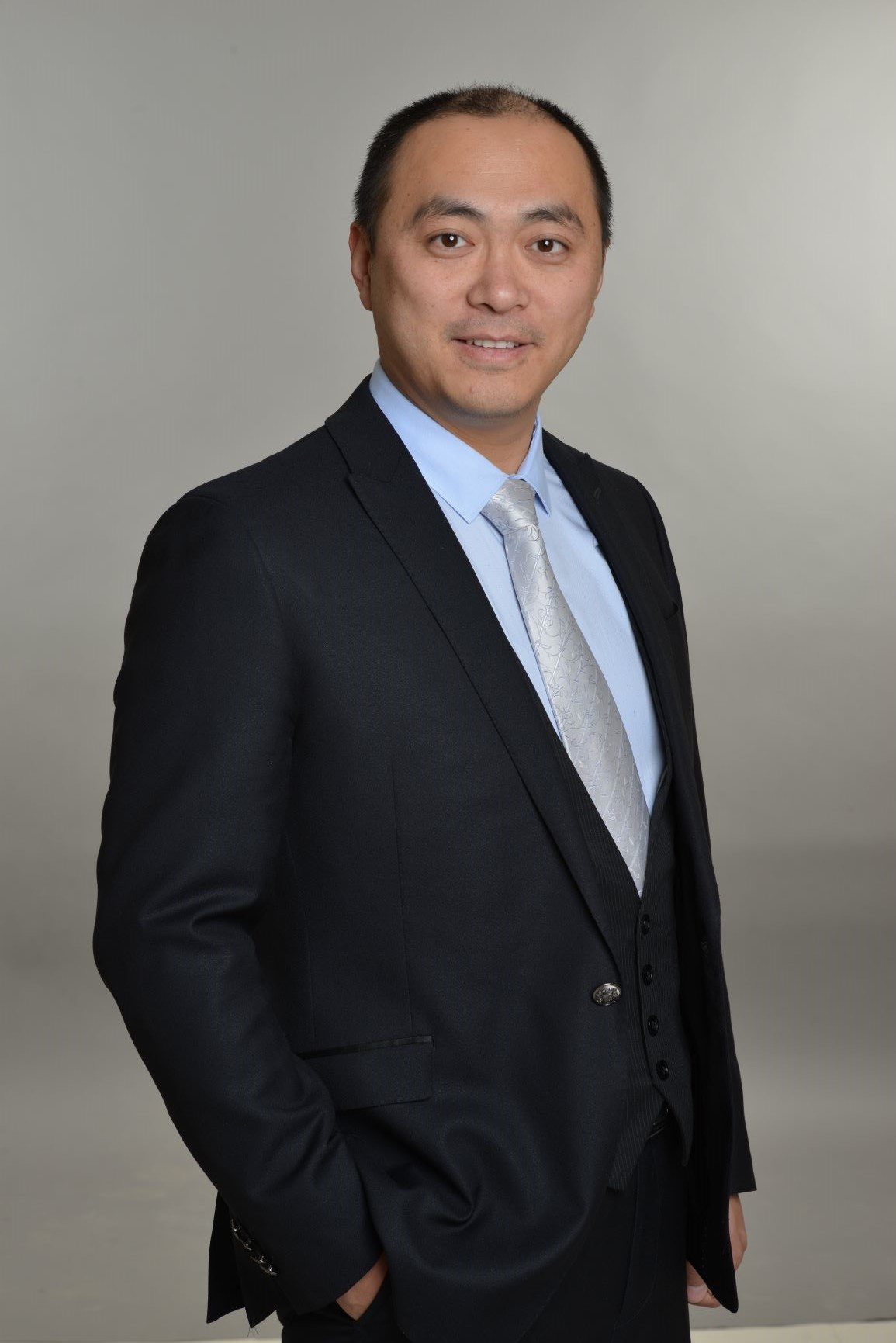
一、个人简介
2006年毕业于北京师范大学获得理学博士学位;2012年毕业于澳洲国立大学(2015-16年度QS世界大学排名,社会与管理科学类,第18位)获得经济学博士学位。参与完成十余篇同行评审的文章(根据谷歌学术统计,累计引用接近200次),其中以第一作者身份完成SCI或SSCI接近10篇。
二、研究方向
职业精神测量与培养、医学课程体系研究、医学教育方法研究
三、教育经历
2008 – 2012 第二博士学位,澳洲国立大学,经济与工商学院
2001 – 2006 第一博士学位,北京师范大学,管理学院
1997 – 2001 理科学士,北京师范大学,系统科学系
四、工作经历(包括博士后及出国进修经历)
2018至今 副研究员 中国医科大学国际医学教育研究院
2016 – 2018 讲师 中国医科大学国际医学教育研究院
2014 – 2015 博士后 亚堪培拉大学商业,政府与法律学部
2012 – 2014 博士后 澳洲国立大学国家流行病与人口健康研究中心
五、主持课题情况
1.中国家户收入流动研究,中国博士后科学基金(第四十一批),2007年, 20070410475,3万元;
2.室内空气质量对慢性阻塞性肺疾病(COPD)的影响及健康管理策略,中国医科大学新教师基金(自然科学类)项目,XZR20160037,2016年,5万元;
3.住院医师职业倦怠和职业精神培养,中国医科大学“十三五”第一批医学教育科学研究课题,重点项目,2016年,YDJK2016002,1万元。
六、文章发表情况
1.Ding N, Yan D, Li H, et al. Chinese medical students’ agreement with and fulfillment of the Physician Charter[J]. BMC Medical Education, 2018, 18(1).
2.丁宁, 马媛, 吕金鑫, et al. 医学生一般自我效能感与终身学习态度关系分析[J]. 中华医学教育探索杂志, 2018, 17(10):1018-1021.
3.丁宁, 王彬, 闻德亮. 自我决定理论对医师职业精神培养的启示[J]. 中华医学教育杂志, 2017, 37(03):333-336.
4.Ning Ding, Berry, Helen, Bennett, Charmian (2016). The Importance of Humidity in the Relationship between Heat and Population Mental Health: Evidence from Australia. PLoS ONE 11(10): e0164190. doi:10.1371/journal.pone.0164190 (SCI IF: 3.234)
5.Helen Berry, Linda Botterill, Geoff Cockfield and Ning Ding (2016) 33(4): 1-13., Identifying and measuring agrarian sentiment in Australia, Agriculture and Human Values. (SSCI IF: 1.617)
6.Ji-Wei Wang, Qian Shen (the co-first author), Ning Ding et al (2015), A qualitative exploration of the psychosocial rehabilitation needs of cancer survivors in China. Accepted by Psycho-Oncology. (SCI IF: 2.443)
7.Ning Ding, Keith Dear, Shuyu Guo et a (2015), Tightrope walking: using predictors of 25(OH)D concentration based on multivariable linear regression to infer associations with health risks, PLOS ONE, 10(5): e0125551. (SCI IF: 3.234)
8.Ning Ding, Helen L. Berry, Léan V. O'Brien (2015), One-year reciprocal relationship between community participation and mental wellbeing in Australia: A panel analysis, Social Science & Medicine, 128: Pages 246-254. (SSCI IF: 2.890)
9.Ji-Wei Wang, Xiong-Huan Gong, Ning Ding et al (2015), The influence of comorbid chronic diseases and physical activity on quality of life in lung cancer survivors, Supportive Care in Cancer, 23: 1383-1389. (SCI IF: 2.364)
10.Ji-Wei Wang, Zhi-Ting Cui, Ning Ding et al (2014), A qualitative study of smoking behavior among the floating population in Shanghai, China, BMC public health, 14(1): 1138. (SCI IF: 2.264)
11.Ning Ding and Yougui Wang (2008). “Household Income Mobility in China and Its Decomposition”, China Economic Review, 19(3): 373-380. (SSCI IF: 1.264)
12.Ning Ding and Yougui Wang (2007). “Power-law Tail in the Chinese Wealth Distribution”, Chinese Physics Letters, 24, 2434-2436. (SCI IF: 0.947)
13.Ning Ding, Ning Xi and Yougui Wang (2006). “The Economic Mobility in Transfer Models”, Physica A, 367, 415-424. (SCI IF: 1.732)
14.Ning Xi, Ning Ding and Yougui Wang (2005). “How Required Reserve Ratio Affects Distribution and Velocity of Money”, Physica A, 357(3-4), 543-555. (SCI IF: 1.732)
15.Ning Ding, Yougui Wang, Jun Xu and Ning Xi (2004). “Power Law Distribution in Circulating Money: Effect of Preferential Behavior,” International Journal of Modern Physics B, 18 (17-19),2725-2728. (SCI IF: 0.973)
16.Ning Ding, Ning Xi and Yougui Wang (2003). “Effects of Saving and Expending Patterns on Holding Time Distribution,” the European Physical Journal B, 36(1), 149-153. (SCI IF: 1.345)
17.Yougui Wang, Ning Ding and Li Zhang (2003). “The Circulation of Money and Holding Time Distribution,” Physica A, 324(3-4), 665-677. (SCI IF: 1.732)
七、教材编写和期刊编委情况
编委,《临床医学导论(第5版)》,人民卫生出版社
联系邮箱:Nding@cmu.edu.cn
